Meal prep becomes easier when equipment removes a task you repeat. It becomes harder when several new appliances introduce unfamiliar recipes, extra accessories, and a large cleanup pile. Start with the meals you want to eat, then choose gear for the slowest or most awkward part of making them.
A useful first setup may be as simple as a reliable cutting board, suitable cookware, and containers that fit your refrigerator. Add an appliance when chopping, rice, soup, or batch cooking creates a clear recurring bottleneck.
Define a manageable batch
Imagine preparing lunches for three working days rather than attempting an entire week’s menu at once. You want a grain, roasted vegetables, and a main component that can be stored and reheated appropriately. That plan gives each tool a clear job and keeps the workload realistic.
Count portions and decide which foods will be prepared together. Consider the refrigerator and freezer space available before increasing the batch. Equipment capacity is not the only limit: containers, cooling and storage procedures, reheating, and the time you enjoy spending in the kitchen all matter.
Follow authoritative food-handling guidance and ingredient instructions for your recipes. This is an equipment plan, not a substitute for storage or reheating advice. Do not use an appliance’s keep-warm function as an indefinite meal-storage solution.
Identify the actual bottleneck
Time a familiar preparation session informally or write down the steps that feel difficult. Are you repeatedly chopping vegetables? Waiting for one pot? Searching for matching container lids? Washing equipment between small tasks? The right purchase depends on the answer.
If chopping large quantities dominates, a suitable processor may help. If rice demands attention while other dishes cook, a dedicated cooker may create a useful parallel routine. If portioning causes clutter, containers and labels may improve the process more than another motor.
Do not buy all of these at once. Improve one stage, repeat the routine, and reassess. You will learn whether the next inconvenience is real or simply part of trying an unfamiliar menu.
Choose cooking equipment by repeated recipes
The Zojirushi NS-TSC10 is one dedicated-rice candidate to research, while the Instant Pot Duo Plus V3 offers a multicooker route. They solve different scheduling problems. Choose a rice cooker when rice is a regular component; choose a multicooker when its documented methods suit several repeated recipes.
These are examples based on published capabilities. We have not conducted a batch-cooking performance test or compared taste. Verify model-specific quantities, program instructions, cleaning, and local electrical specifications before buying.
Our rice cooker guide explains capacity and timing, and the multicooker versus slow cooker comparison distinguishes meals started early from those prepared later. Neither appliance eliminates the need to plan the other parts of a meal.
Chopping tools need enough workload to justify cleanup
A processor is appealing when you regularly slice or shred substantial quantities. For one small onion, a knife may be simpler. Compare the food quantity with the bowl and feed opening, then count the parts you will wash afterward.
KitchenAid’s compact processor guidance illustrates how interchangeable accessories support different preparation tasks. Check the precise attachments supplied with any model. A slicing disc does not automatically produce the dice a recipe calls for.
An immersion blender may make sense if blended soup is a frequent part of the plan. A countertop blender may suit recurring sauces or drinks. Choose according to the main food job, then use the manufacturer’s instructions for approved ingredients and procedures.
Containers are working equipment
Measure the refrigerator shelf and the bag used to carry lunch. A container that stacks neatly at home may be too wide for the bag. Consider portion size, lid access, and whether you can wash and dry the full set comfortably.
Check each container’s instructions for dishwasher, freezer, and reheating use. Similar-looking materials can have different limitations, and lids may require different handling from bases. A removable divider can be useful for some meals but adds another piece to clean.
| Repeated problem | First gear to investigate | Check before purchase |
|---|---|---|
| Large chopping sessions | Food processor | Attachment type and washing burden |
| Frequent rice batches | Rice cooker | Minimum and maximum amounts |
| Several suitable one-pot recipes | Multicooker | Total process and model instructions |
| Mismatched storage pieces | Consistent container set | Fridge fit and care directions |
| Too little preparation space | Storage rearrangement | Clear working and drying areas |
Arrange the session to reduce interruptions
Lay out ingredients, containers, and the tools required before starting. Group tasks that use the same setup when appropriate, and keep separate preparation needs distinct. Allow space for clean equipment and used pieces so the sink does not become the only available work area.
A simple written order can help: prepare ingredients, start the suitable longer cooking task, finish the remaining components, portion according to the recipe’s handling guidance, and clean. The exact order depends on your menu and food-safety requirements, but a plan keeps appliance capacity from dictating every decision.
Spend after the routine proves useful
Begin with what you own and one modest batch. After several sessions, compare current merchant prices for the tool that addresses your recurring difficulty. Include accessories, replacement parts, and storage in the total cost rather than focusing only on the base appliance.
Review our small-kitchen appliance storage guide before adding equipment to a crowded counter. The best meal-prep setup is one you can repeat comfortably: enough capacity for the meals you want, containers that work, and a cleanup routine that does not overwhelm the rest of the weekend.
EXPLORE THE OPTIONS
Products worth a closer look
Compare the current specifications, local availability, and returns policy before deciding.
Zojirushi Micom Rice Cooker NS-TSC10
Best fit: Frequent rice-based dinners; Households seeking dedicated rice programs.
Why consider it: Dedicated workflow alongside other cooking; Model-specific replacement parts can be identified.
The tradeoff: Pan and accessories require hand washing; Merchant page may require choosing a capacity variant.
Instant Pot Duo Plus 6QT V3
Best fit: Several supported one-pot cooking methods; Batch cooking with a documented routine.
Why consider it: Multiple documented methods in one appliance; Cooking indicators support planning.
The tradeoff: Pressure cooking needs a learned operating routine; Heating and release add to the cooking countdown.
Sources & editorial notes
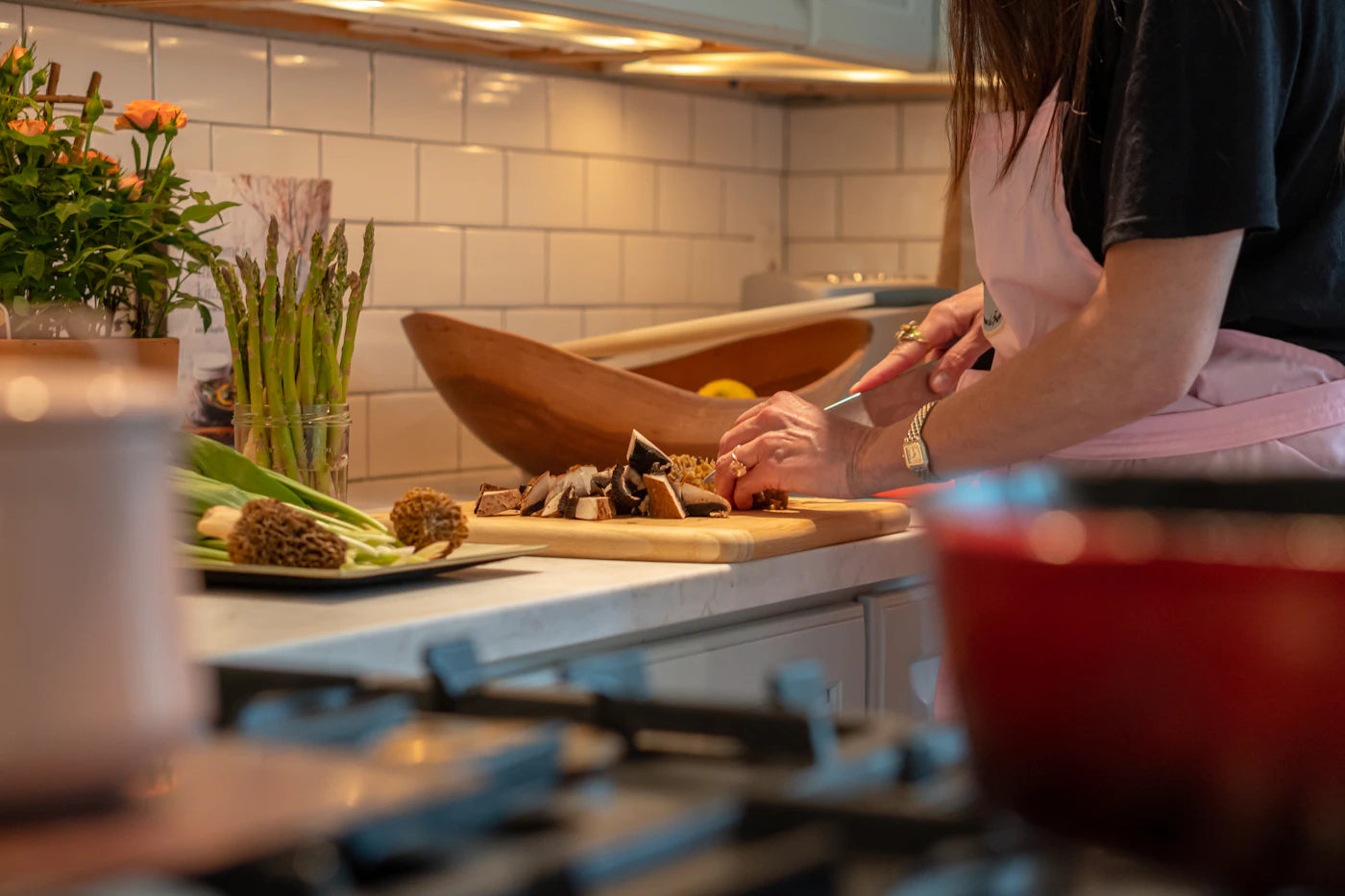
Manufacturer information checked on October 4, 2026. Features can vary by model and country. Confirm the exact version before purchasing. Lifestyle photos illustrate the setting; they do not document product testing.
- store.zojirushi.com — reference information
- instantpot.com — reference information
- producthelp.kitchenaid.com — reference information